The alarm goes off at 04:30. Outside, Bali is completely dark and completely silent. The rational part of your brain asks, seriously, why.
And then you remember: you are about to go dolphin watching in Lovina.
You are up before the alarm finishes its second ring.
Table of Contents
- Lovina and Its Dolphins: A Story That Predates Tourism
- What Kind of Dolphins Will You See?
- Why Sunrise Is the Only Time That Matters
- What Dolphin Watching in Lovina Actually Feels Like
- Responsible Watching: How to Be a Good Guest
- What to Bring — and What to Leave Behind
- How to Photograph Wild Dolphins From a Moving Boat
- Our Dolphin Watching Package
- Beyond the Dolphins: Best of North Bali
- How to Book
- Frequently Asked Questions
Lovina and Its Dolphins: A Story That Predates Tourism
Long before the first tourist boat ever left Lovina’s black sand beach, the fishermen of this quiet north Bali village had a relationship with the dolphins that nobody ever formally documented. They simply knew: every morning, when the sky began to lighten, the dolphins came back.
For generations, the fishing families of Lovina went about their business — casting nets, reading the currents, heading home before the sun got high — and the dolphins went about theirs.
Today, dolphin watching in Lovina has become one of the most celebrated wildlife experiences in Southeast Asia. But the dolphins are the same dolphins. The same species, the same behaviour patterns, the same reliable morning return to the sheltered coastal waters.
What has changed is simply that now the rest of the world knows to come and watch.
What Kind of Dolphins Will You See?
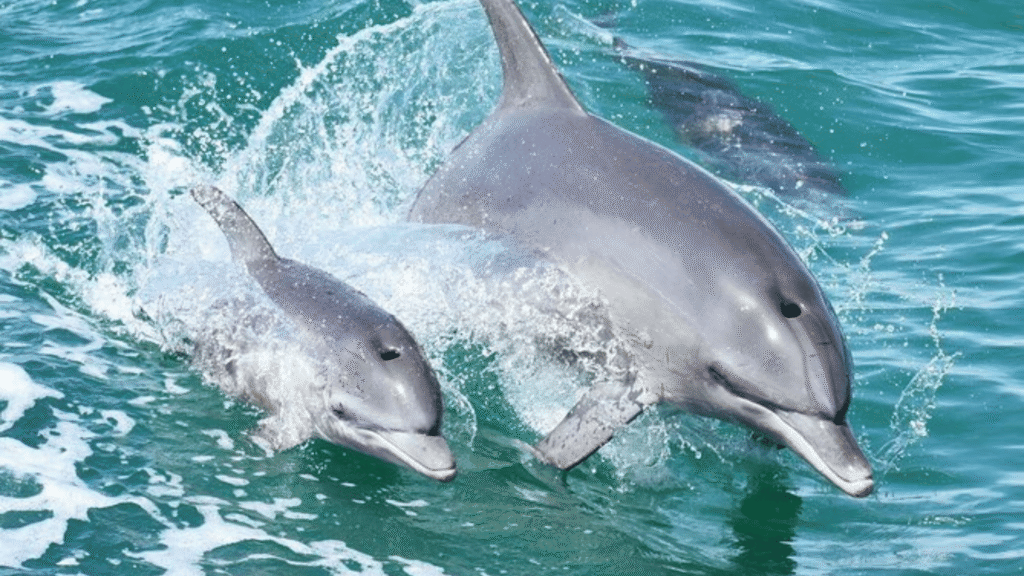
The undisputed stars of dolphin watching in Lovina are spinner dolphins (Stenella longirostris) — and if you have never encountered them in the wild, prepare to be shocked by how spectacular they are.
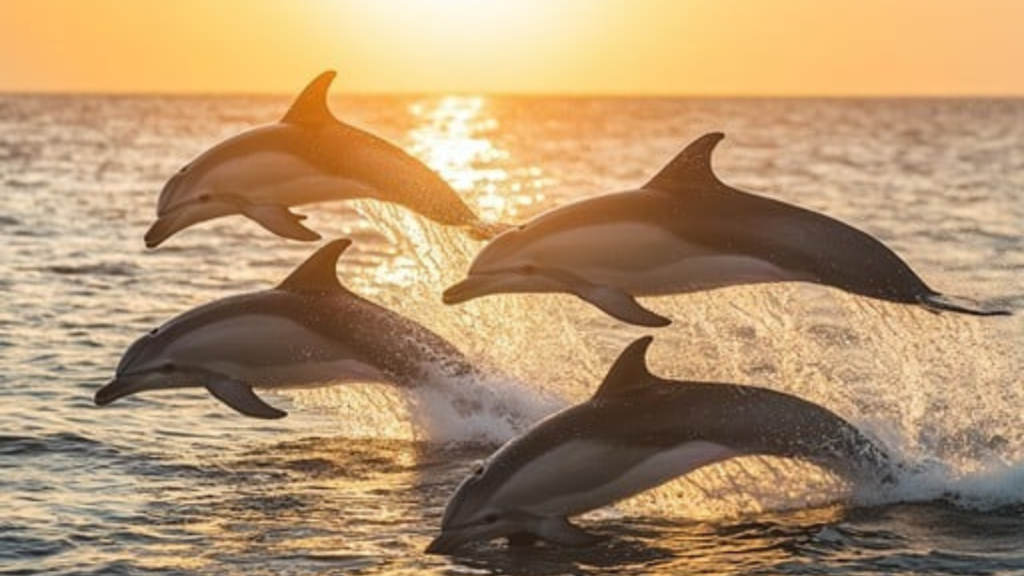
Spinner dolphins are lean, fast, and almost theatrical in their energy. The spinning leap that gives them their name — a full-body launch out of the water, rotating on their axis up to seven times before re-entry — is genuine, purposeful behaviour that serves social and communicative functions within the pod.
What it looks like in practice: imagine a hundred animals doing this simultaneously, all around a small wooden boat, as the sun turns the sky gold. The sound alone — the smack of water, the high-frequency whistles, the breath — reaches you before your brain can process the sight.
Spinner dolphins typically travel in pods of 20 to several hundred. On extraordinary mornings, the sea seems to be made of dolphins.
Why Sunrise Is the Only Time That Matters
Dolphin watching in Lovina is a sunrise activity — full stop. This is not a marketing decision. It is biology.
Spinner dolphins spend the night in deep offshore water, hunting fish and squid. At first light, they return to the shallow coastal zone near Lovina: rested, social, energetic, and ready to put on a show that no choreographer could improve upon.
This window — approximately 05:45 to 07:30 WITA — is when everything happens. The dolphins are on the surface. The light is extraordinary. The sea is glassy. The world is quiet.
By 08:30, the pods have moved back to deeper water. There are no afternoon dolphin watching sessions worth booking in Lovina. You set your alarm and you go at dawn.
What Dolphin Watching in Lovina Actually Feels Like
Here is an honest account — no inflated promises.
The beach at 05:40 is unexpectedly atmospheric. The air is warm but there is a coolness in it that the afternoon never has. Fishing boats are lined up at the waterline. Your guide is already there, your jukung ready. You step into a traditional Balinese outrigger and push away from the sand.
The engine is a low, steady pulse. The sky is beginning to lighten at the edges. Around you, other jukungs spread out across the water in different directions.
For maybe twenty minutes, there is nothing but the sea and the changing sky. And then.
Fins. A splash. Someone on a nearby boat points. Your guide cuts the engine.
The silence is extraordinary. And into that silence come the dolphins.
They come from everywhere at once. Leaping. Spinning. Diving and surfacing. Their calls are audible above the water — a high, wild sound that is nothing like any nature documentary prepared you for. The sun clears the mountains. The sea turns gold. The dolphins are lit from below and above simultaneously.
You will not fully understand what you are seeing when you are seeing it. It is only afterward — on the beach, with breakfast in front of you — that the scale of it becomes clear.
This is what the fuss is about.
Responsible Watching: How to Be a Good Guest
The waters off Lovina host dozens of boats every morning. That concentration of human activity around wild animals demands a code of conduct.
Here is what responsible dolphin watching in Lovina looks like:
- No chasing — A good guide positions the boat to intercept, then cuts the engine and allows the dolphins to approach as they choose.
- No feeding — Feeding wild dolphins disrupts their natural behaviour. No exceptions.
- Maintain respectful distance — When pods show signs of disturbance, responsible guides back off. The dolphins always have the right of way.
- Limit engine noise — Guides who cut the engine and drift near pods are doing the right thing.
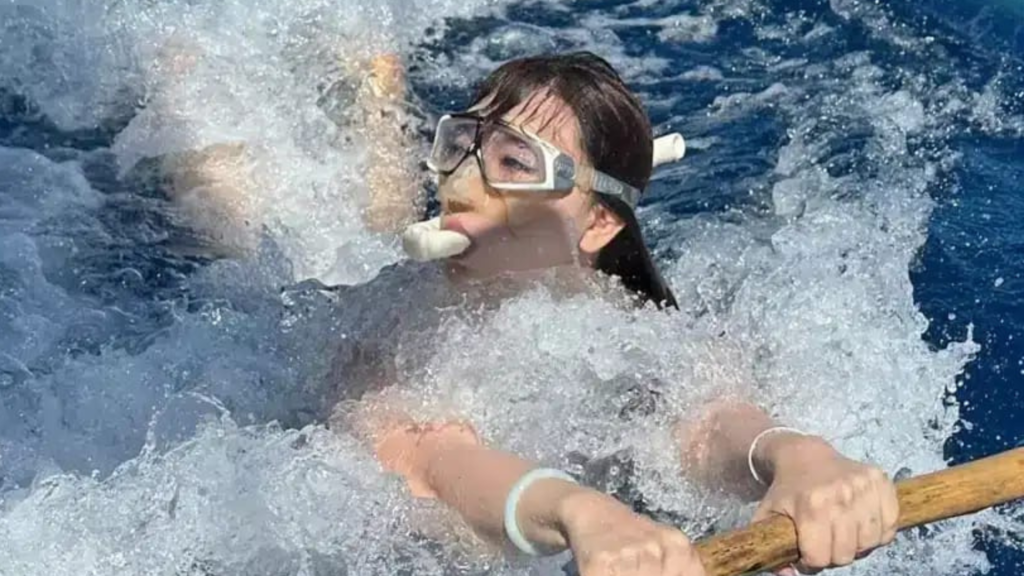
- Never enter the water uninvited — If your package includes swimming, wait for your guide’s signal.
Our guides at Mustika Dolphin Lovina follow these principles on every trip, every morning.
What to Bring — and What to Leave Behind
Bring:
- Swimwear under your clothes (for swim packages)
- Reef-safe waterproof sunscreen
- Light long-sleeve layer for the boat before sunrise
- Towel and dry change of clothes
- Small dry bag for your phone
- GoPro or waterproof camera with wrist strap
- Cash for breakfast and guide tip
Leave behind:
- Large bags or valuables
- Expectations of a scripted, predictable experience — embrace the wildness
How to Photograph Wild Dolphins From a Moving Boat
Use continuous autofocus and burst mode. Burst mode captures the peak of the leap. Single-frame approaches produce a library of almost-good shots.
Anticipate rather than react. Watch where a pod is moving and pre-aim. Dolphins in active pods often surface repeatedly in the same area.
Shutter speed is your priority. 1/800s or faster. Raise ISO if needed — a sharp noisy shot beats a blurry perfect-exposure one.
Use the golden hour light. Silhouettes of leaping dolphins against a lit horizon are among the most dramatic wildlife shots you will ever take.
Then put it down. At least once, watch a dolphin leap with nothing between you and it. That image you carry for the rest of your life.
Our Dolphin Watching Package
🐬 Sunrise Dolphin Watching — $10/person
Start your morning with an unforgettable dolphin encounter in the calm waters off Lovina. Our experienced guides take you to the best spots where pods of dolphins play in the sunrise light. This is pure, magical Bali at its most raw and beautiful.
✅ Wild Dolphin Pods
✅ Experienced Local Guide
✅ Sunrise Golden Hour
📍 Pickup: 05:40 AM (Lovina Area) · 06:00 AM (Canggu, Ubud, or Kuta)
⏱ Duration: 2 Hours (Watching Only)
💰 $10/person — sharing boat, free pickup in Lovina area
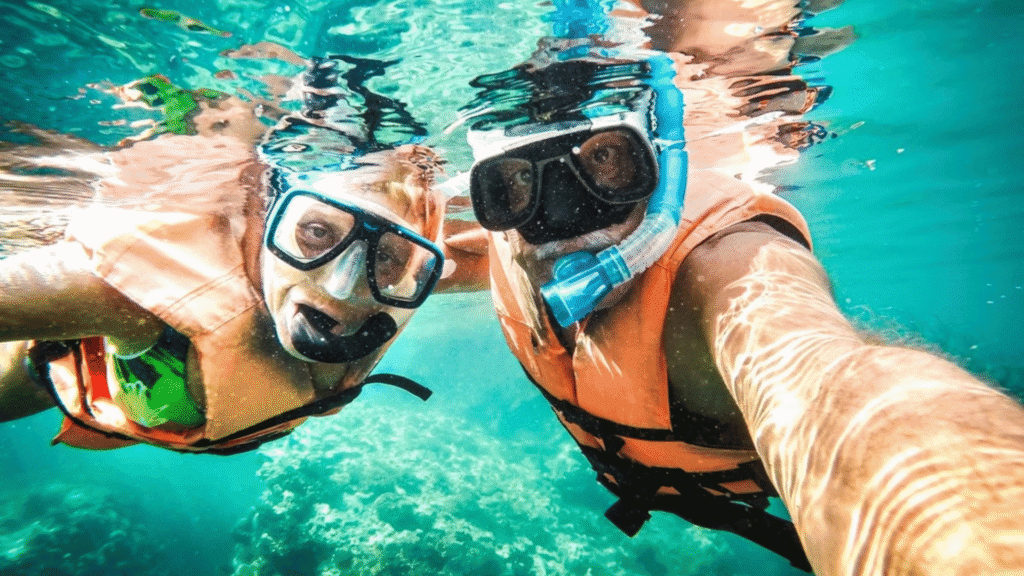
Want more than watching? Upgrade to our Dolphin Swim & Snorkeling package ($25/person) — private boat, snorkel gear, coral reef, and breakfast included.
👉 See all our tour packages and pricing
Beyond the Dolphins: Best of North Bali
Back on shore by 08:30. North Bali rewards the curious traveller.
- Banjar Hot Springs — Natural sulphuric hot springs set in a lush garden. 15 minutes west of Lovina.
- Gitgit Waterfall — Twin waterfalls via a short jungle trek south of Lovina.
- Brahma Arama Vihara — Bali’s only Buddhist monastery with sweeping north coast views.
- Lovina Reef Snorkeling — The calm reef directly off the black sand beach. Pair it with your dolphin tour for a full marine wildlife morning.
👉 Check out our full combo tour options
How to Book
👉 Book your dolphin watching experience — chat Nyoman on WhatsApp
We operate every morning. Trips depart 05:40 WITA for Lovina area guests (06:00 for Canggu/Ubud/Kuta). Shared and private boat options available.
Frequently Asked Questions
Q: Is dolphin watching in Lovina actually reliable?
A: Very. Sighting rates are consistently above 90% year-round and above 95% in dry season.
Q: How many dolphins will I see?
A: Pod sizes vary from 20 to 200+ animals. A “slow” morning means a single pod of 30. A great morning means dolphins in every direction as far as you can see.
Q: I get seasick. Should I still go?
A: Lovina’s north coast waters are genuinely calm, especially in dry season. A mild anti-seasickness tablet the night before is all most sensitive travellers need.
Q: Can I combine dolphin watching with a snorkel trip?
A: Yes — one of our most popular combos. View the Dolphin Swim & Snorkeling package here.
Q: What is the pickup time?
A: 05:40 AM for Lovina area guests. 06:00 AM for guests from Canggu, Ubud, or Kuta. Confirm your hotel when you WhatsApp us.
The dolphins are out there right now, doing their morning thing.
Your alarm is set. The jukung is ready. The sunrise is coming.